
Why we almost stopped travelling
A founding essay on privilege, doubt, and why we kept going
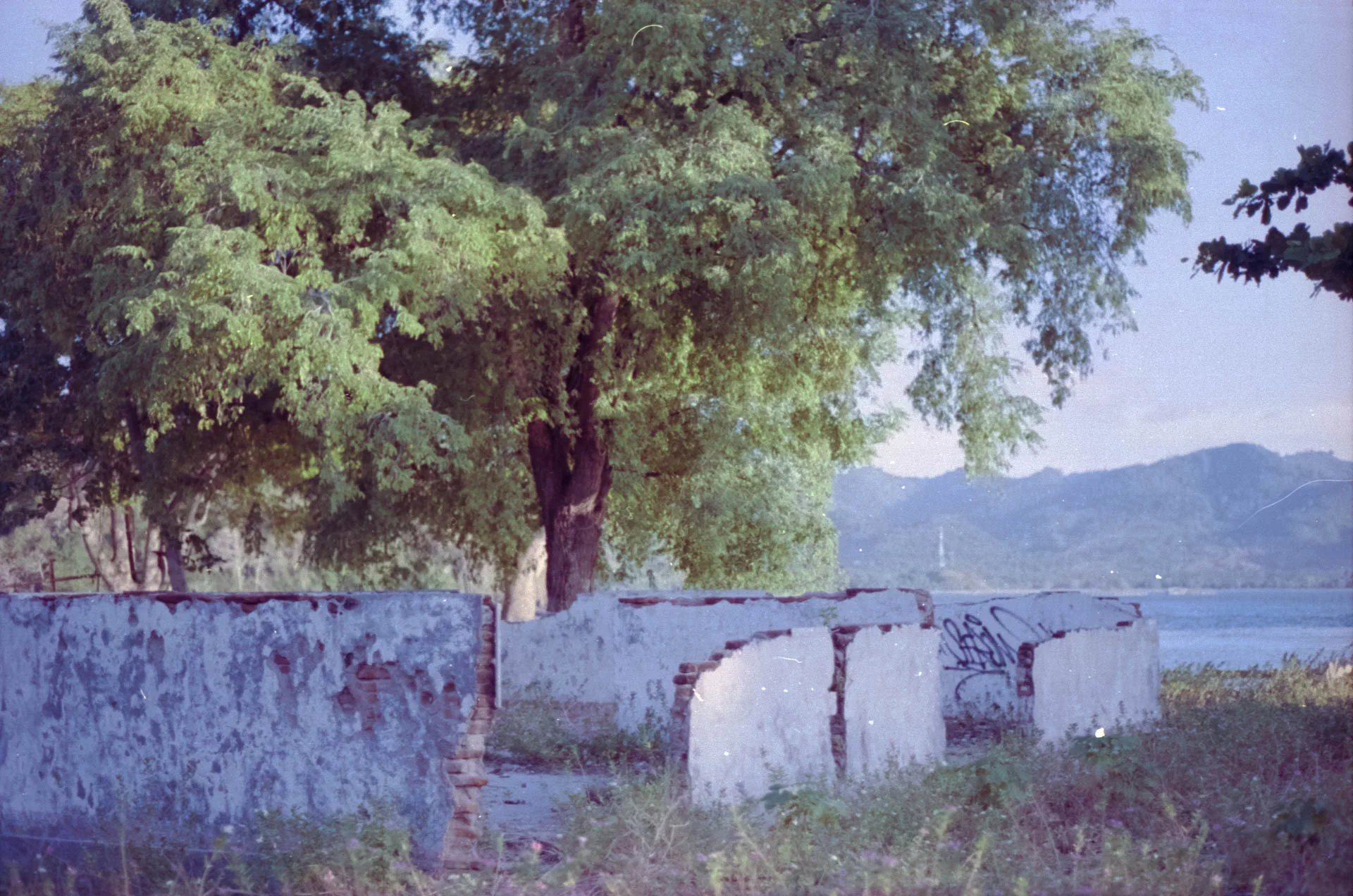
Whenever Giulia blew out a birthday candle or saw a shooting star, she asked for two things: world peace (a modest wish) and a job that would let her travel. Sara gave up on world peace long ago and went for pure selfishness: enough money to travel and healthy parents (so she could keep travelling).
We were both lucky enough to live in a time and a place that, with a fair amount of stubbornness, let us make these nomadic dreams come true. Giulia worked for Lonely Planet Italia for ten years, visiting different places, with access to the best they had to offer, and writing about them after meeting artists, producers, intellectuals and artisans. Along the way she learned that the best on offer is often a simplification: reality is more complex, and people tend to show you the version of themselves they think will sell. Sara worked many jobs in London, caring less about each one and more about the trips it paid for, and spent her holidays going as far into Asia as a few weeks off would allow. The more she travelled, the more it weighed on her that she was seeing a great deal and getting to know too little, with the goodbyes always coming too soon. A few weeks started to feel like too little, and the jobs that paid for them felt like too much.
Those childhood dreams, after all, were naively rooted in the privilege of a passport, an Italian one, which in January 2026 gave access to 185 destinations without a prior visa, according to the Henley Passport Index. An Indonesian passport gave access to 73, and many of the people who welcomed us on our travels have to apply for a visa to come and see us.
The world that travels is also much smaller than it seems: in 2018, 11% of the world’s population took a flight, and at most 4% flew abroad. Meanwhile, the Europe that wants to travel everywhere turns away people from the places where it goes on holiday: in 2022, almost 18% of Schengen visa applications worldwide were refused, and nearly three in ten of those filed in Morocco and Tunisia. When safe and legal routes are closed, many look for others: between 2014 and 2023, the International Organization for Migration recorded more than 28,000 people dead or missing in the Mediterranean. Of course, individual choices are not enough to change a system built on exploitation, but becoming aware of the context and of the effects of our actions means starting to pay attention to what we leave behind.
The rush of booking low-cost flights is a stab into the open wounds of this small, fragile world. Reaching communities whose balance still rests on traditions passed down over generations risks compromising it. Every photo we take of a place tourism has not yet reached risks opening it up to the violence of mass tourism.
But there is a fine line between respecting the world and retreating into what we already know, which feeds the fear of difference. We believe we are who we are precisely because we met different people, sharing houses and cooking spiced dal through grey Welsh winters; because we laughed our way through a London flatshare where an Australian threw out the French flatmates’ cheese for smelling like cheese; because we moved pallets in Danish factories and learned to let the air out of our tyres before the sand in Western Australia, then pump them back up on the other side; because we were welcomed like family in Tehran apartment blocks and because strangers in Guatemala gave us a lift that probably saved our lives.
So we would like people to keep travelling and learning, in the hope that it keeps them from falling back on stereotypes fed by an ever more widespread nationalism. What protects us, though, is a certain way of travelling, one that forces us to question things. This doesn’t happen to everyone who leaves, or on every trip, and it doesn’t always happen on its own, but together we might get there.
That’s why we decided to give those who, like us, suffer from travel eco-anxiety a way not to give up entirely on the knowledge that travel brings. We do it by designing a few carefully planned trips, in places we know first-hand, for a small community of people as curious as we are. Or we make ourselves available to those who prefer to travel on their own, with advice to help them make informed and responsible choices for their next trip. Maybe, after all, we just want to broaden the lens and show you the places we live in as they are, in their everyday beauty, with the complexities and specifics that might not sell immediately, but that we believe make every journey still worth packing for.
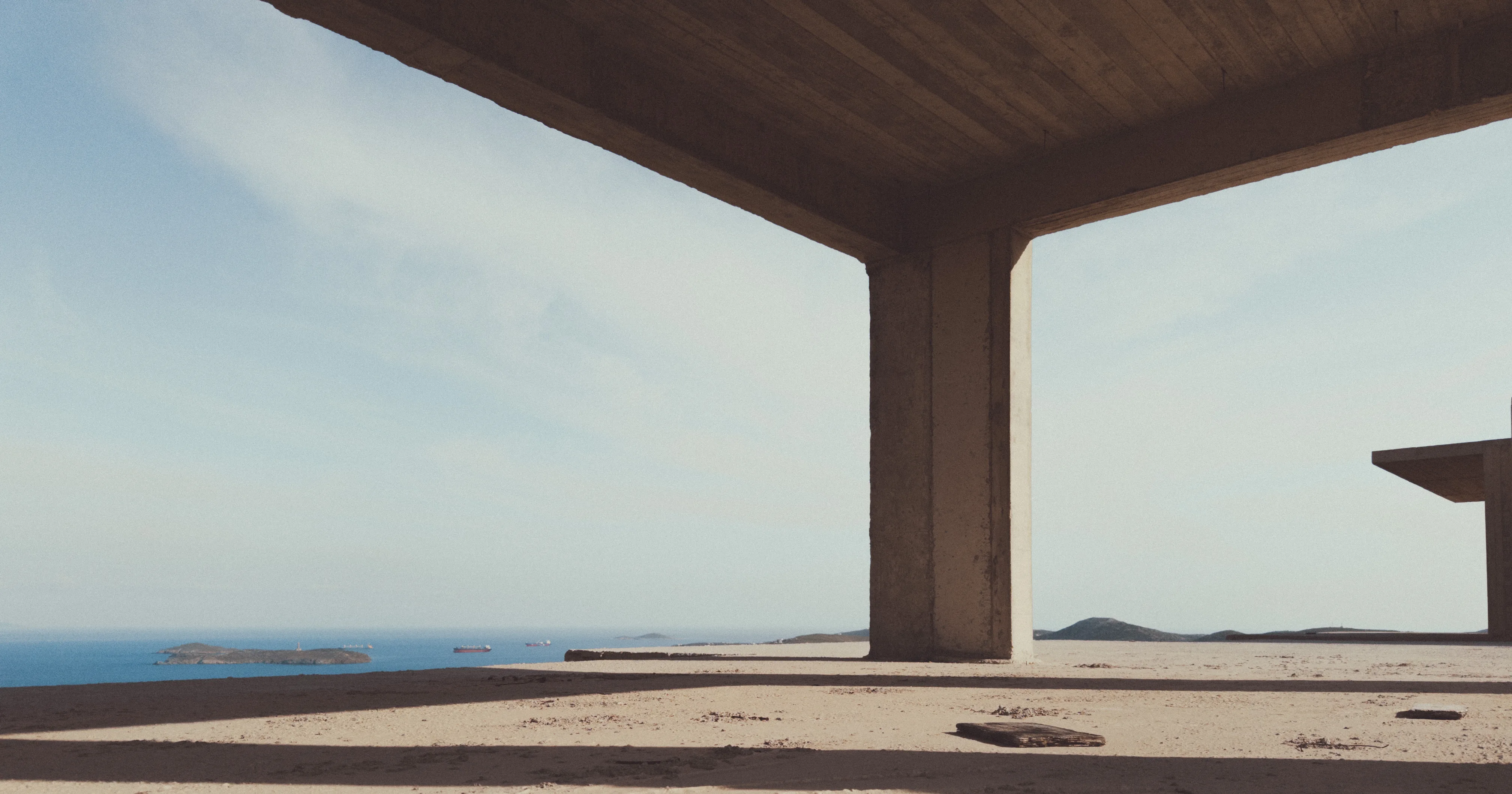
In recent years we have chosen to move differently and have ended up with new homes. Now we move slowly, around Greece and Lombok, asking ourselves many questions and taking the time to answer them together with those who have lived there far longer than we have.
Sources:
- Gössling, S. & Humpe, A. (2020). “The global scale, distribution and growth of aviation: Implications for climate change”. Global Environmental Change, 65, 102194. doi: 10.1016/j.gloenvcha.2020.102194
- European Commission, DG Migration and Home Affairs, “Visa applications reach 10.3 million in EU- and Schengen Associated Countries”, 15 May 2024 (global refusal rate, 2022). Link
- European Commission, DG Migration and Home Affairs, “Short-stay visas issued by Schengen countries”, consulate statistics 2022, Excel file (data for Morocco and Tunisia). Link
- IOM, Missing Migrants Project, A Decade of Documenting Migrant Deaths, 26 March 2024, with data annex 2014-2023 (both downloadable from the press release). Link
- IOM, press release of 6 March 2024 on 2023 deaths and limited safe pathways. Only the AFP coverage was found (Manila Bulletin): if this passage is cited, the original text should be retrieved from iom.int.