
‘Most of the work is maintenance and cleaning’: the unglamorous truth about coral restoration in Lombok
We talked with a small Lombok foundation that is teaching Indonesians to restore their reefs
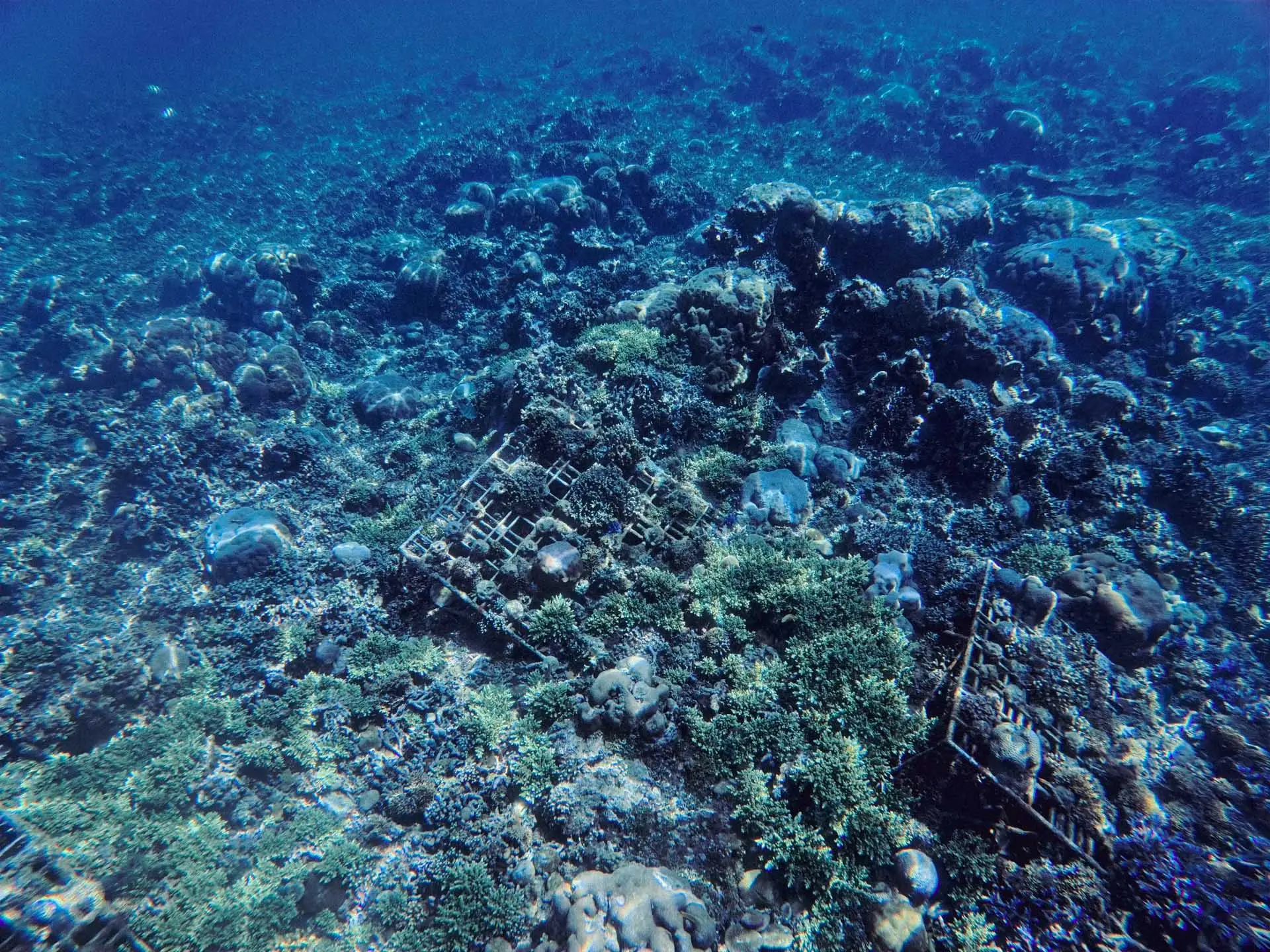
One kick for a duck dive and the world changes at once. Everything flows: the fish, in patterns that are coded yet inventive, and the light swimming through the water, bringing out the yellow of a butterflyfish, the orange of a clownfish, the sudden blue of a sea star. But something jars. The coral on Lombok’s seabed should be full of colour, yet some of it is white, bleached coral: stressed, often dying, part of a reef in trouble. Warming seas do most of the harm. Some of the damage, though, is human, and it rarely has a single culprit: it depends on missing infrastructure and unenforced rules as much as on the people who work at sea and those who come to look.
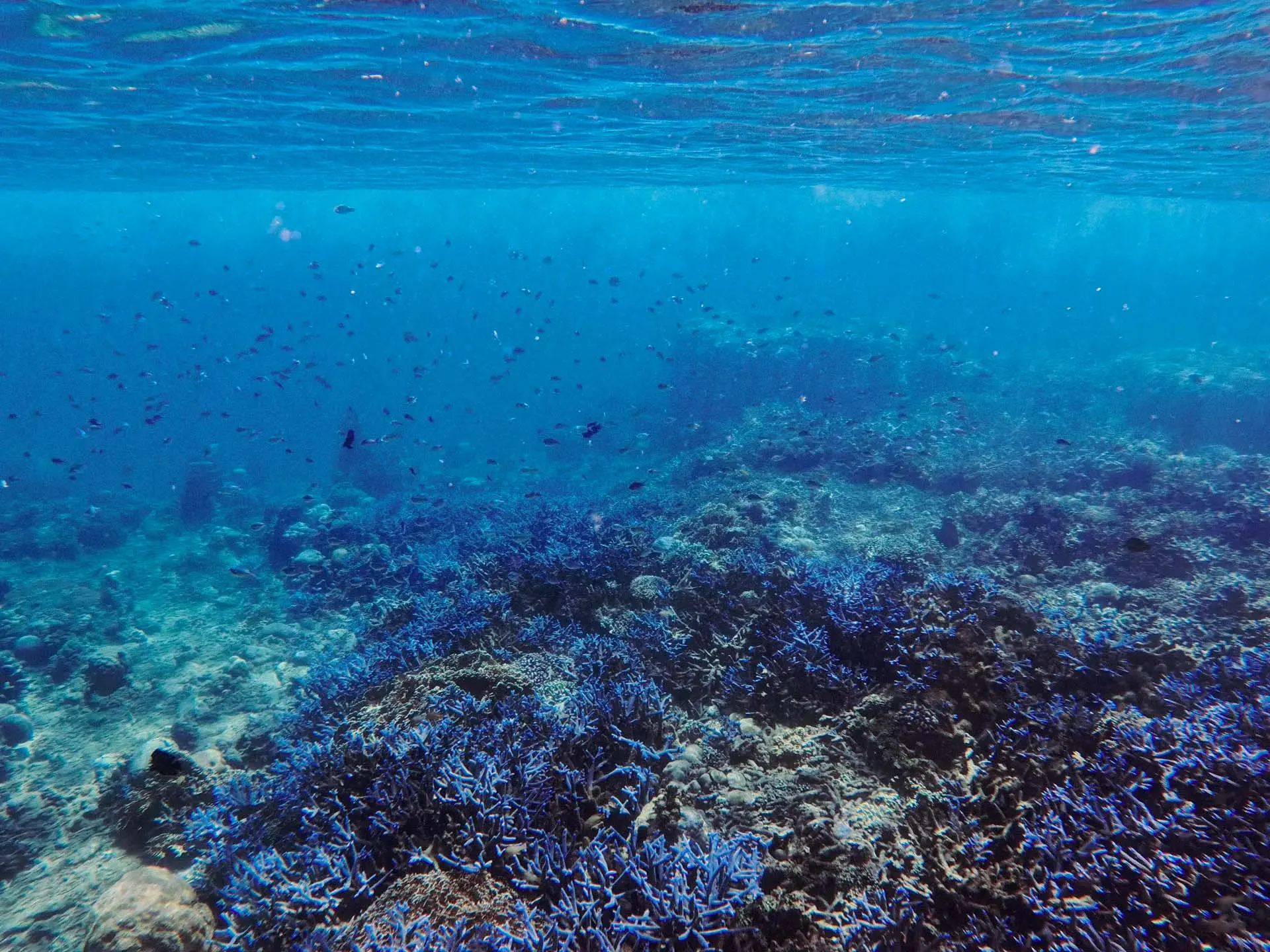
Where there are no mooring buoys, as in some areas popular with surfers, boats drop anchor straight onto the seabed. And poorly trained divers and swimmers often touch the coral, sometimes without even realising it. If you want to see these reefs without adding to the damage, a few questions help when choosing who to go with. Does the boat tie up to a mooring buoy, or drop anchor? Is there an environmental briefing before you get in, on not touching, kicking or kneeling on coral, and on not wearing gloves?
The Indonesia Biru Foundation (IBF) was set up in 2020 in Kecinan Bay, on the west coast of Lombok. It works on three fronts: coral restoration, mangroves and research into shark and ray fishing.
We interviewed the foundation’s deputy director, Soraya Al Rashid, to find out more about its activities, how to take part, and what it means for the environment to dive with them rather than with the first operator that comes along.
How did IBF start?
We started in 2020, in the middle of Covid. Many conservation organisations here are aimed at foreigners, so our founder decided to focus on Indonesians and make our educational material free for everyone. The core of the work is coral restoration and diving. Now tourists can join too, and we also work with schools. We bring the reef spiders, the steel frames we attach coral fragments to, onto the beach. We teach people there, and then the structures go into the water.
What can visitors actually do?
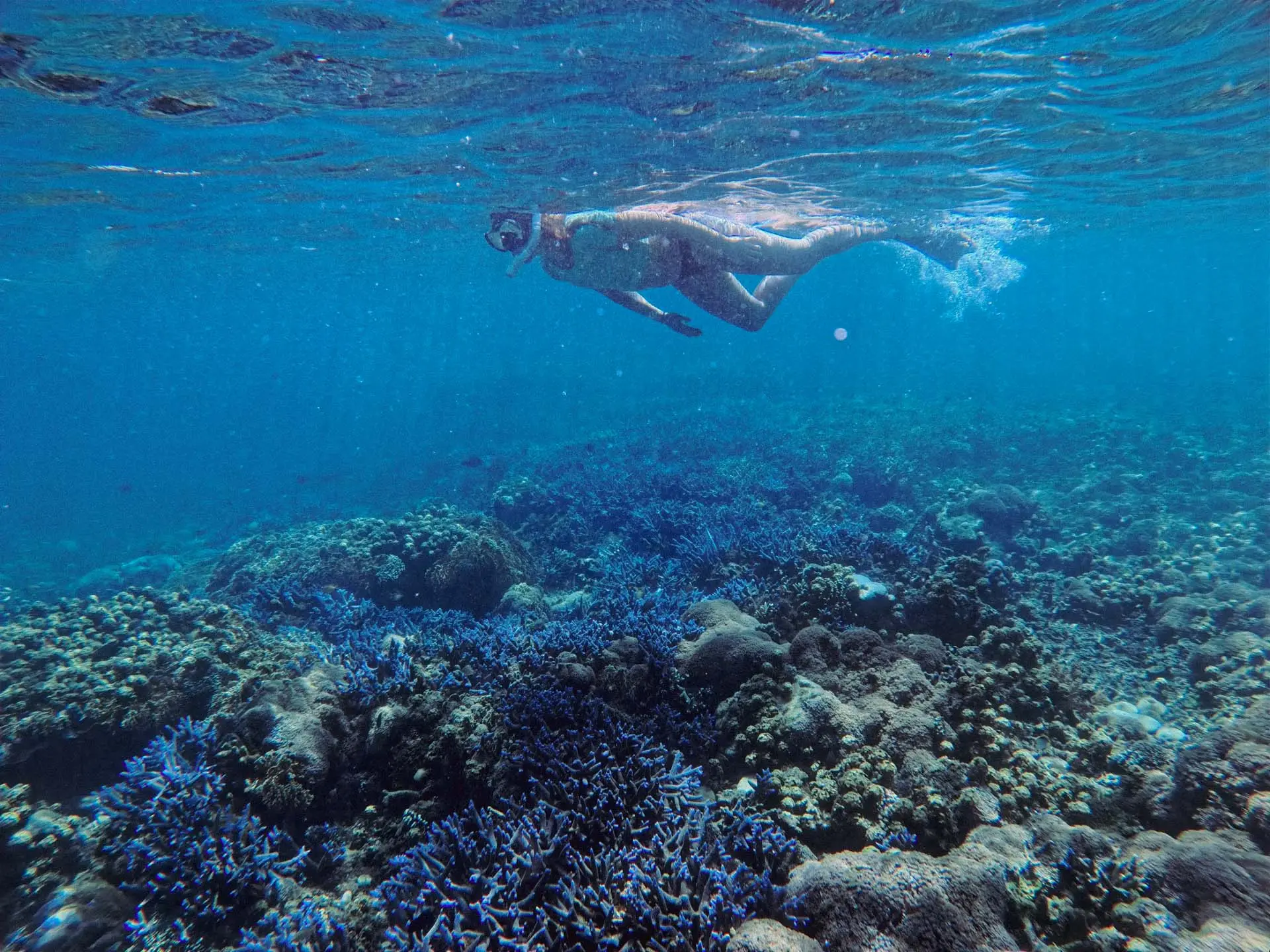
They can snorkel or dive. First we give a talk about coral, because just looking at a reef, it’s very hard to understand what you’re seeing. Then they go through every step themselves. The most important part is monitoring and maintenance: we show them how to clean the corals and scrub them.
So restoration isn’t mainly about planting?
That’s what people think. Most of the work is maintenance and cleaning. We go out every week. If some corals have died, we plant new ones.
What have you seen change on Indonesia’s reefs over the past decade?
Some places are improving, others are still degrading. Take the three Gilis, off north-west Lombok. Twenty years ago they were full of coral. Ten years ago the reefs were almost completely destroyed. Boats dropped anchor everywhere, and a lot of divers and swimmers weren’t properly trained, so they touched everything. Anchors did most of the damage. Before Covid the reef was basically dead. The pandemic gave the environment a break, and in those first two years many organisations could finally do something. Six years on, you can see the difference. But we are still far from how it used to be.
[As Al Rashid says, the reefs are still far from how they used to be, and recovery has been uneven. A 2021 University of Mataram survey of Gili Air found 71% live coral cover in the zone open to tourism, but only 8% in the core protected zone, which had not recovered despite the drop in visitors during the pandemic. The Gilis’ reefs had also been hit by bleaching in 2010 and 2016.]
What is doing the most damage now?
Anchoring is getting better; it’s much more regulated. In the south-west of Lombok it’s less regulated and still a problem. Around the Secret Gilis and Gili Gede, and in East Lombok around Pink Beach, there are no mooring facilities, so everyone drops anchor. Bleaching is easy to see. The damage from people touching the coral is harder to spot, but it’s still quite common. Water temperature is the other issue. The average used to be about 28°C, which is ideal for coral. Now it’s 30 or 31°C. That’s too hot.
How do local communities respond to your work?
With the coral programme, very well. We teach students, they enjoy it, and many go on to further training. Mangroves are more complicated, because they’re tied to waste management. People want to do better, but it’s hard to change a whole system; it depends on consistency. At the very least we try to get inorganic waste separated and recycle what we can, and we teach people to make organic compost. The government is supportive, especially the fisheries department. There have been a lot of budget cuts, so there are things they can’t do, but they back us and they don’t make things difficult.
[Waste disposal on Lombok is a deep issue that has its roots in an inadequate system and cannot be handled through people’s habits alone. In fact, many local groups are taking direct action, but that alone is not enough. A 2021 study for the Danish Environmental Protection Agency, based on Indonesian government data, estimated that North Lombok, where Kecinan lies, formally handled about half of its waste; the rest fell outside any formal system. Sorting at source was rare, facilities for sorted waste were few, and recyclables were mostly shipped to Java for sale. On Gili Trawangan the island’s processing site is over capacity, and in February 2026 the regency council criticised the local government’s slow response.]
And the shark research?
It’s our second year. We record which species are caught, what size, and how. The aim is to help shape proper policy and regulation. A lot of people want to criminalise the fishermen, but technically [many of the species they catch] aren’t protected under Indonesian law; the law isn’t very clear. We’re trying to change the way of life of shark fishermen. Their lives at sea are very hard, and we want to help them find other work, through training, English lessons, or jobs as snorkelling guides. But data comes first: we need to understand their problems.
How to take part
Coral sessions take place at IBF’s base in Kecinan Bay, in the village of Malaka, on Lombok’s west coast (North Lombok Regency).
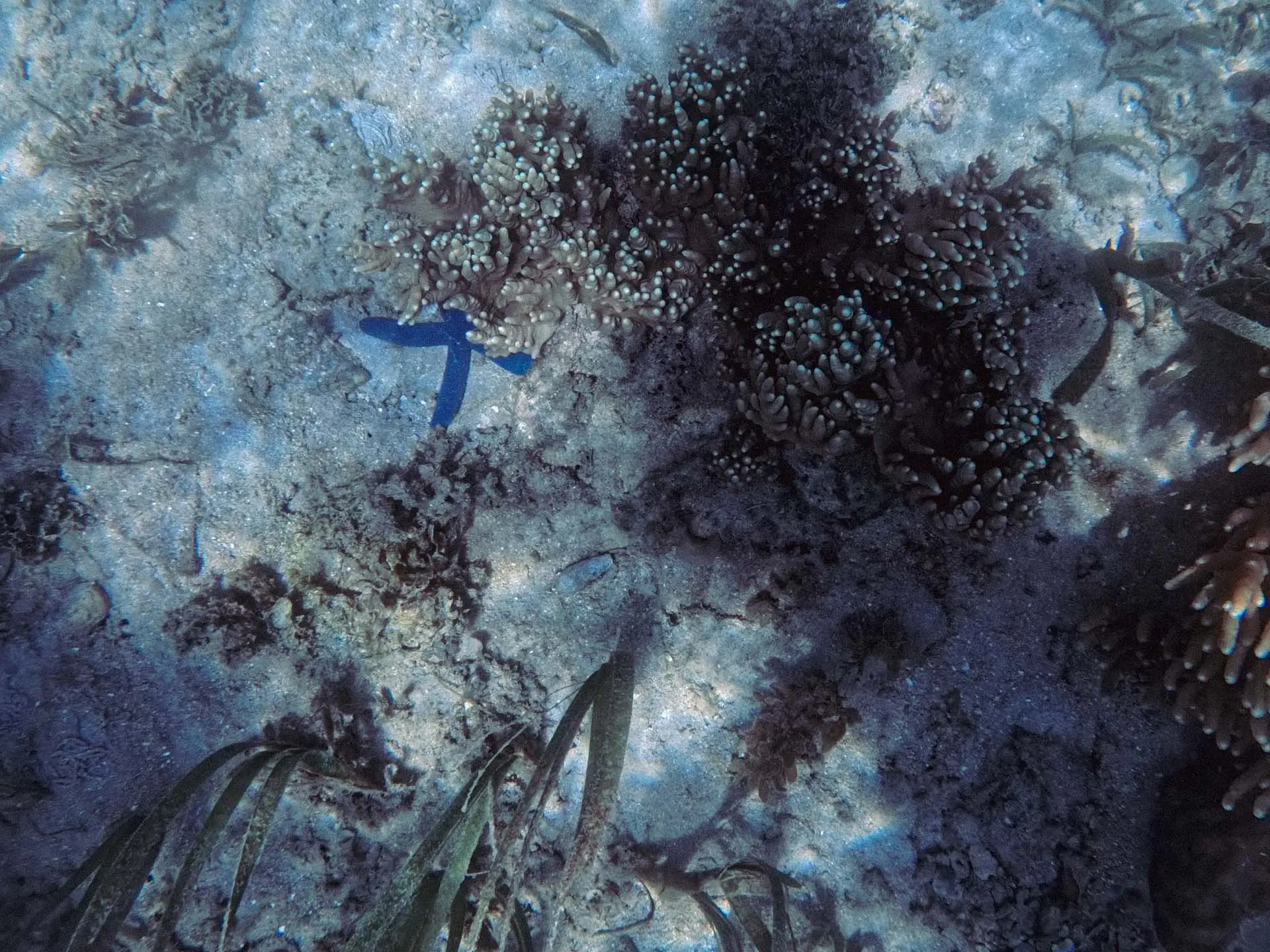
Visitors can take part in different ways. Short sessions combine a talk on coral biology with practical work: attaching coral fragments to the steel frames and, when conditions allow, snorkelling over the restoration sites. The foundation also involves visitors in mangrove planting and takes volunteers for longer periods to help with planting, monitoring and maintenance. Those who can’t travel can sponsor coral fragments. indonesiabiru.id
Sources
- Buhari, Himawan, Jefri, Paryono, Rahman and Damayanti, “The Current Condition of the Coral Reef Cover Percentage during the Covid-19 Pandemic in Gili Air, Gili Matra Marine Protected Area, West Nusa Tenggara”, Jurnal Sains Teknologi & Lingkungan, University of Mataram, 2021.
- Prabuning, Adrianto and Madduppa, “Study on Governance of Marine Conservation Area in Supporting Coral Reef Resilience in Bali and Lombok Waters”, master’s thesis, IPB University, 2020.
- Ramboll for the Danish Environmental Protection Agency, “Pre-feasibility Study (Waste) of Lombok”, 2021.
- Global FM Lombok, “Sampah Jadi Ancaman Serius Pariwisata Gili Trawangan”, 19 February 2026.